

Right to play awards
From listening to Action: A child-led approach by Highland Council of play sufficiency and play equity
Highland Council
Debbie Sutton
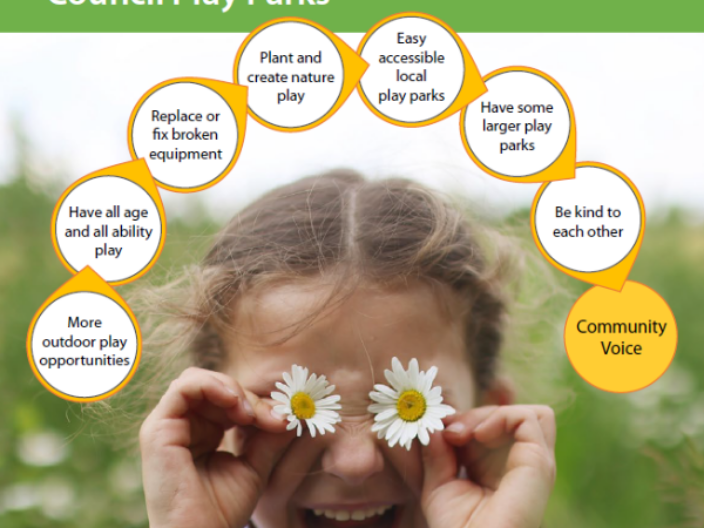
A page from Highland Council Playpark Strategy.
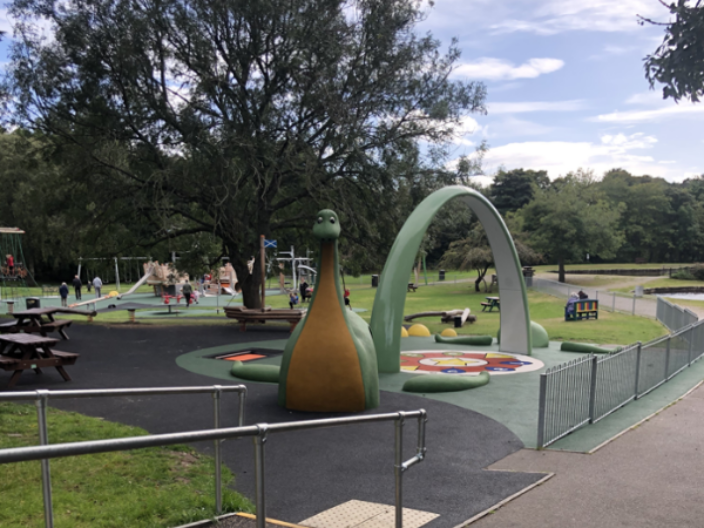
Whin Park - after.
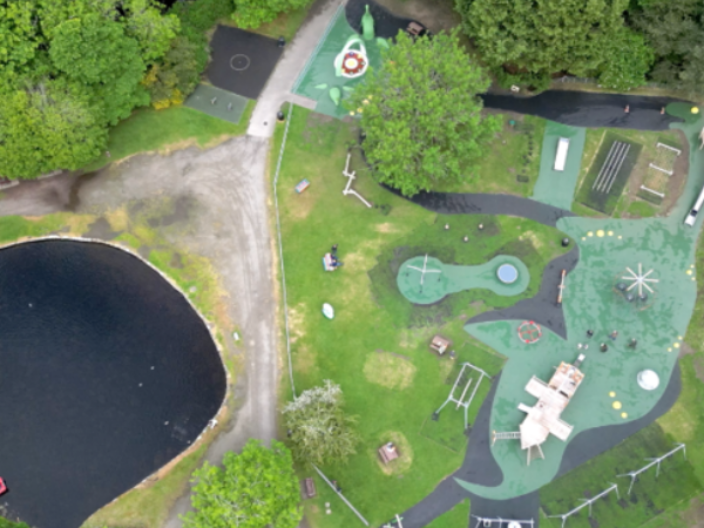
Whin Park (aerial image) - after.
The 2025 Position Statement on Active Outdoor Play (AOP10)
Outdoor Play Canada
Louise de Lannoy
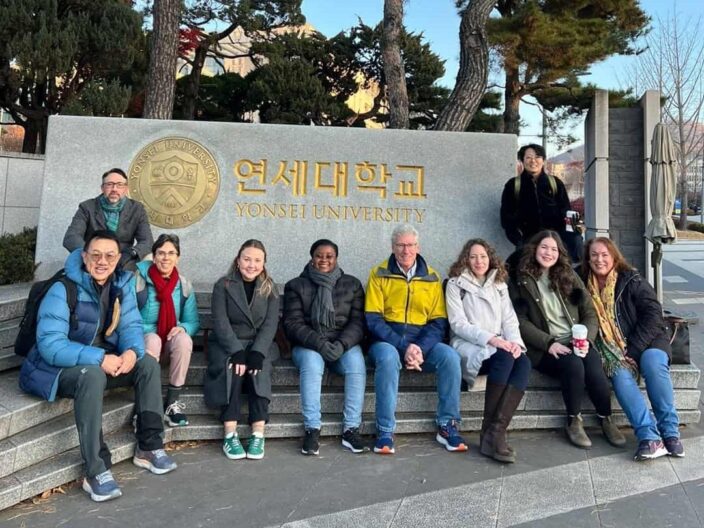
Group photo of the AOP10 leadership group meeting in Seoul, South Korea in December 2024, to finalize the first draft of the 2025 Position Statement on Active Outdoor Play.
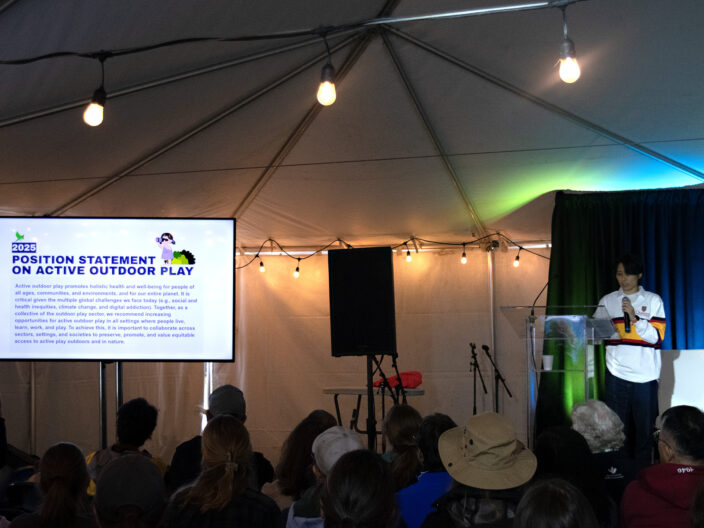
Dr Eun-Young Lee unveiling the 2025 Position Statement on Active Outdoor Play at the Breath of Fresh Air Outdoor Play Summit in Ottawa, Canada in September 2025.
Videos:
3-minute summary overview of the 2025 Position Statement on Active Outdoor Play - in English and French
English version:
https://www.youtube.com/watch?v=Q5CCyD15Vu4&t=1s
French version:
Our Generation - Spaces to Be
Playboard, Northern Ireland
Angela Stallard
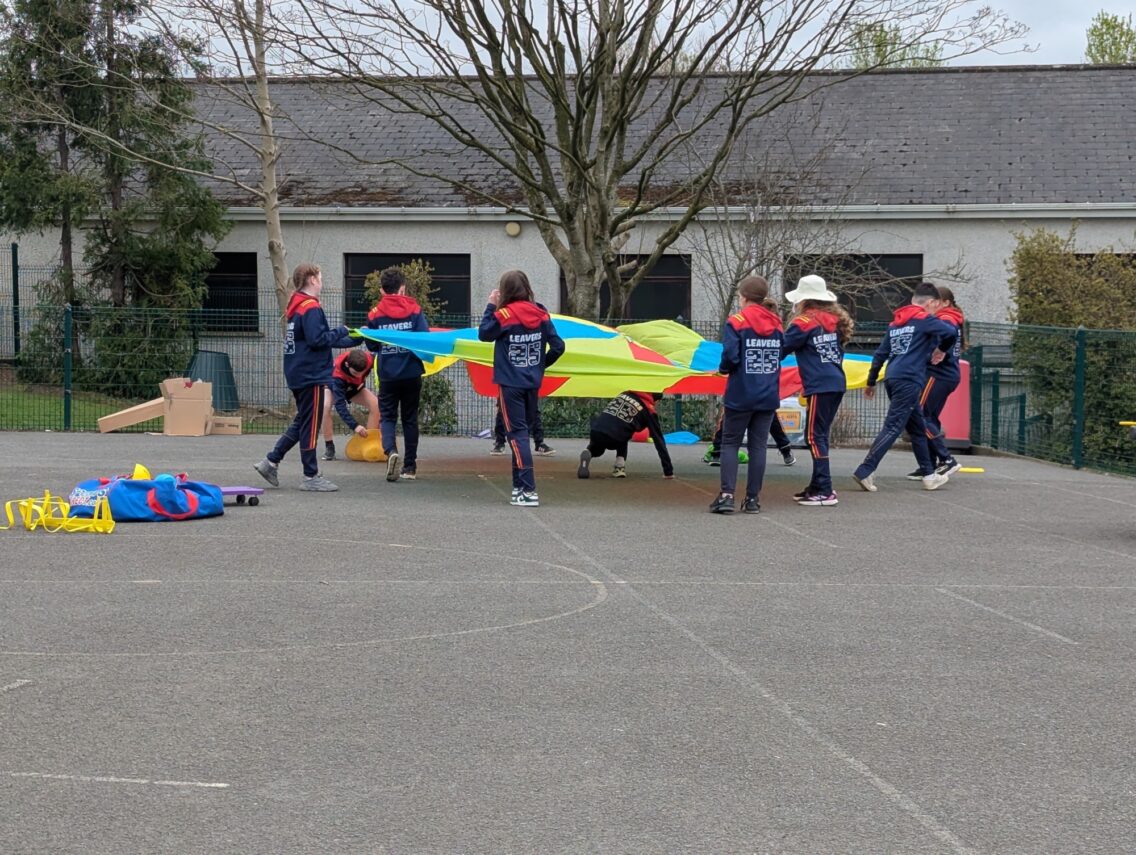
Spaces to Be – PlayBoard’s mental health and well-being programme empowers children through play to:
- Increase mental health literacy
- Enhance emotional resilience
- Develop self-help and coping sills
- Encourage inclusivity and acceptance of difference
- Increase knowledge of community
The programme, funded under the European Unions PeacePlus Programme, involves staff training and children’s play sessions.
Video:
Archie Bear, our Play Champion mascot, explains how important play is for children and adults, and how it can help build resilience and bridge divisions. It tells the story of how PlayBoard NI was founded to promote play at a time of conflict in Northern Ireland and how the OUR Generation Spaces To Be programme has sought to address the impact of the conflict through play.
Dream Together Playground: Reimagining Play in One of the World's Densist Cities
Playright Children's Play Association, Hong Kong
Alan Ng
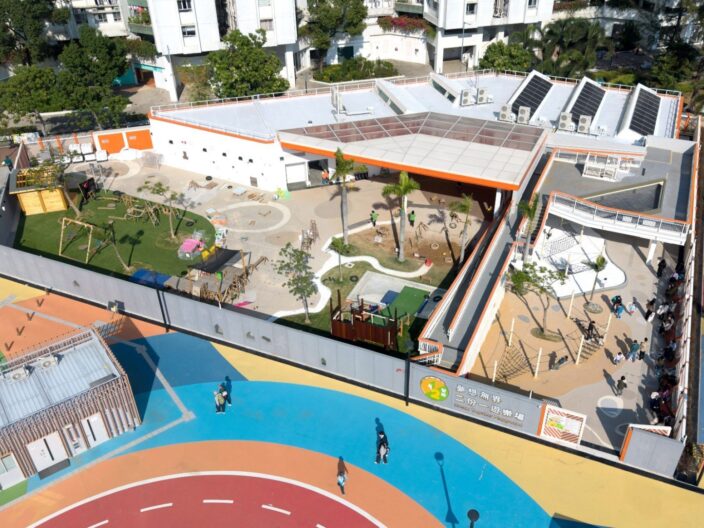
Dream Together Playground, Hong Kong’s first Adventure Playground, is a pioneer place where children co-create, explore, take risks and shape an ever-changing play environment.
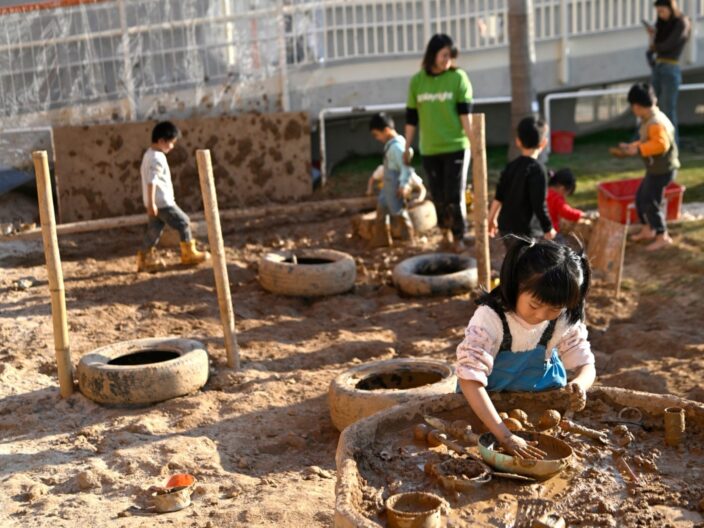
Children engage in sensory-rich mud, sand and water play, exploration and collaboration, exercising creativity, choice and self-directed learning through adventure play.
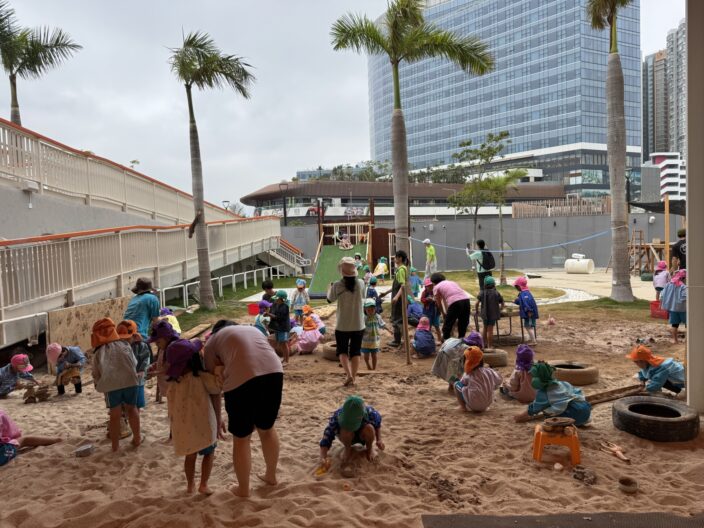
Demonstrating children's right to play through large-scale, self-directed and inclusive play opportunities in a dense urban community.
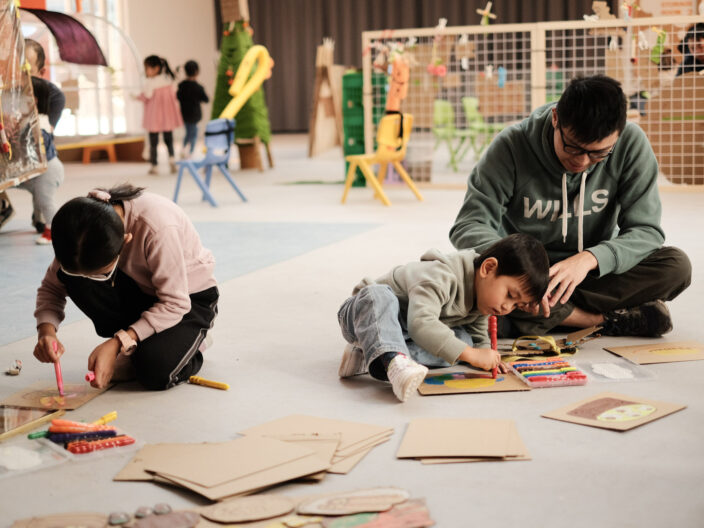
Adventure Play creates opportunities for children and caregivers to engage in dialogue, creativity and shared decision-making through open-ended play.
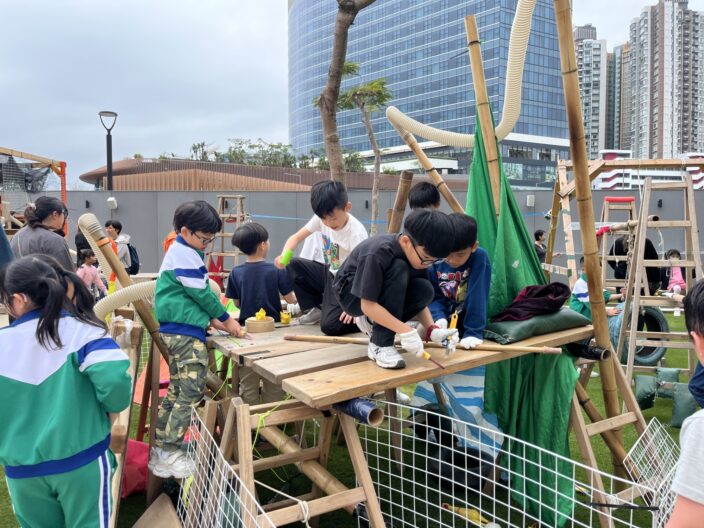
Children co-create the ‘½ Playground’ through hands-on construction, shaping the environment while exercising participation and creativity and fostering resilience.
Video:
Introduction to Playright Children's Play Association
Growing Play Advocates: A ripple Effect for Children's Right to Play
Dr Katy Meeuwissen
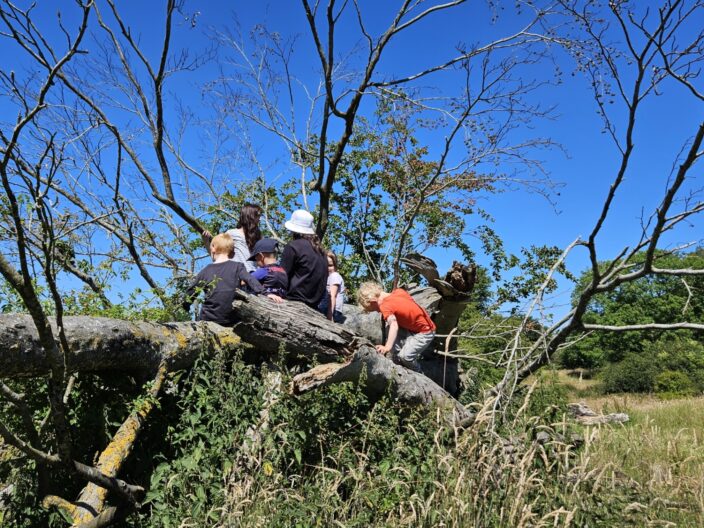
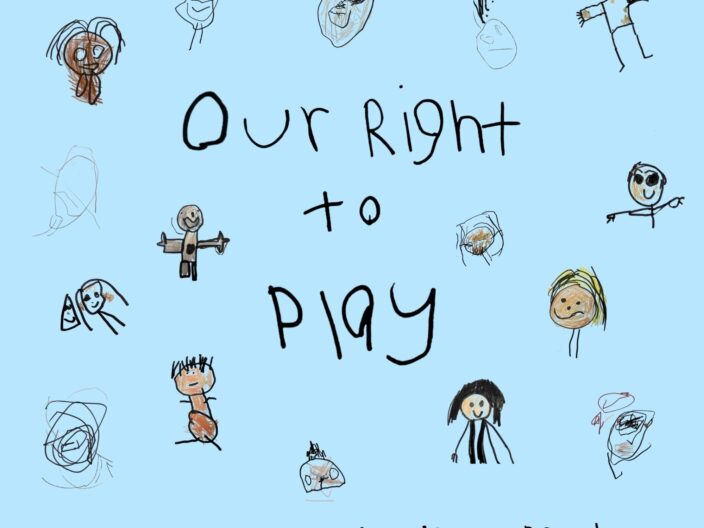
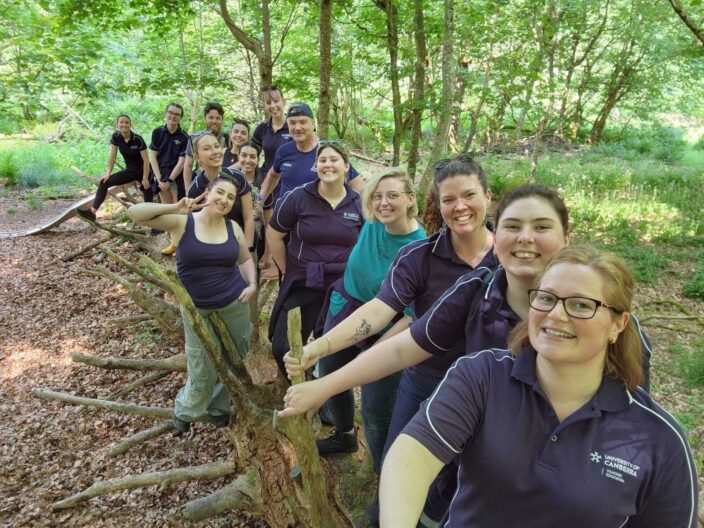
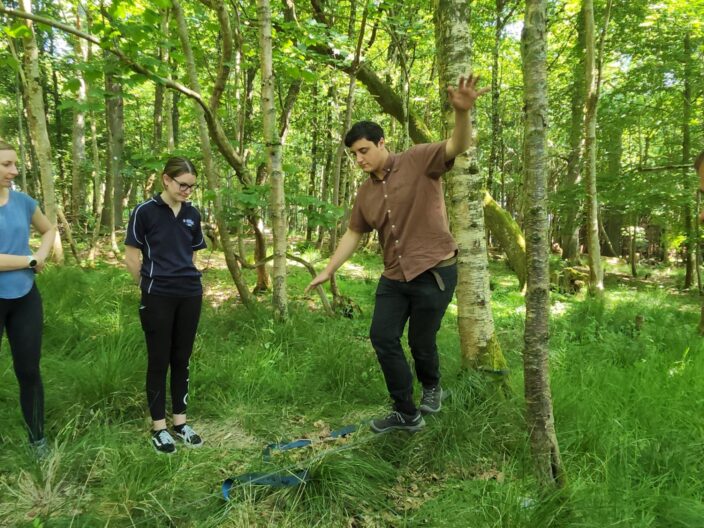
Park Department of Örebro, Sweden
Mimmi Beckman
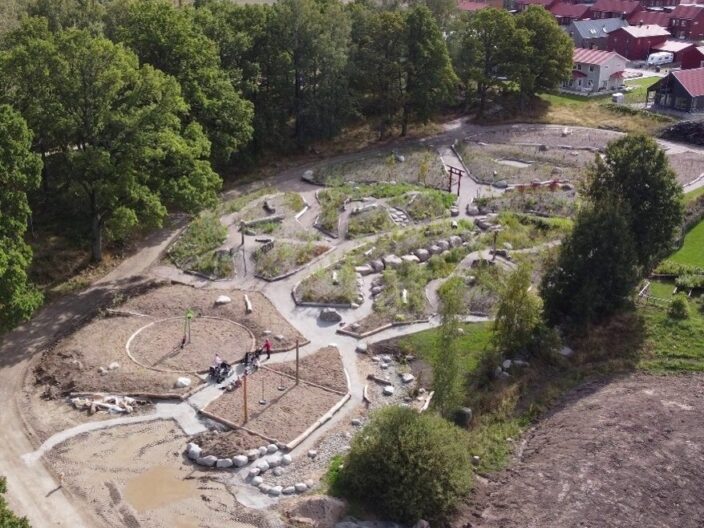
A new play landscape during construction
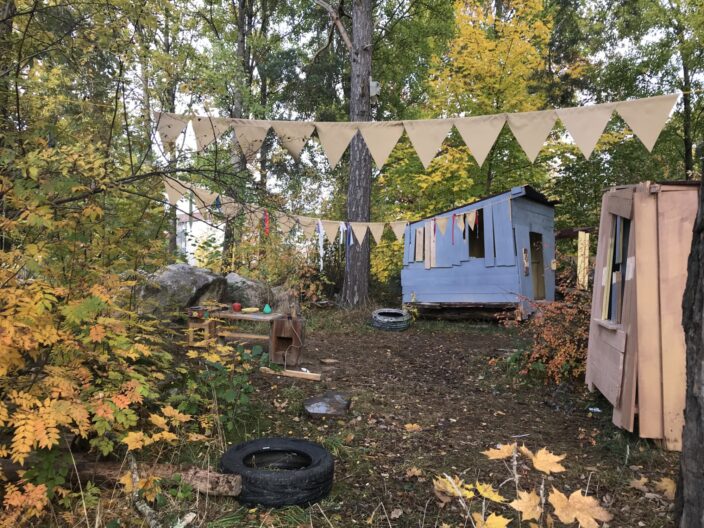
Detail of a play space called “The Den Town” in one park
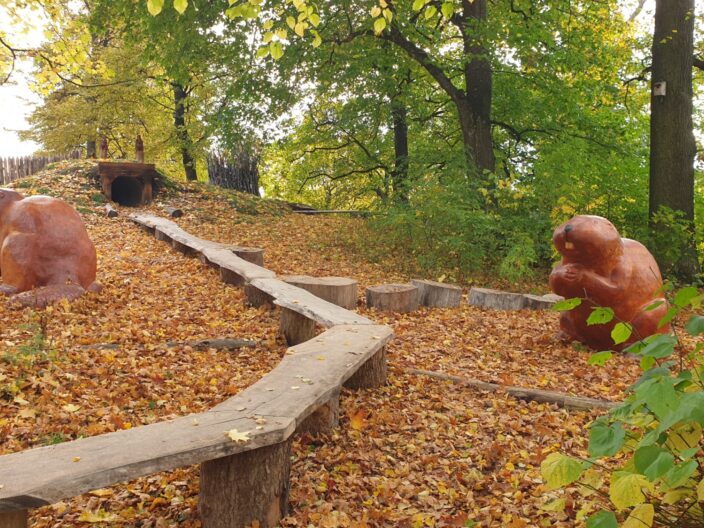
Example of a new play space – The Beaver Hill
Playtopia, Runcorn State School
Renae Powell
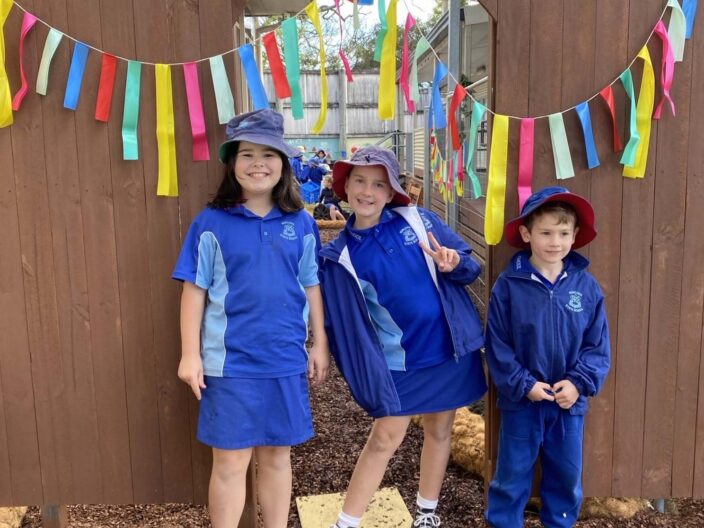
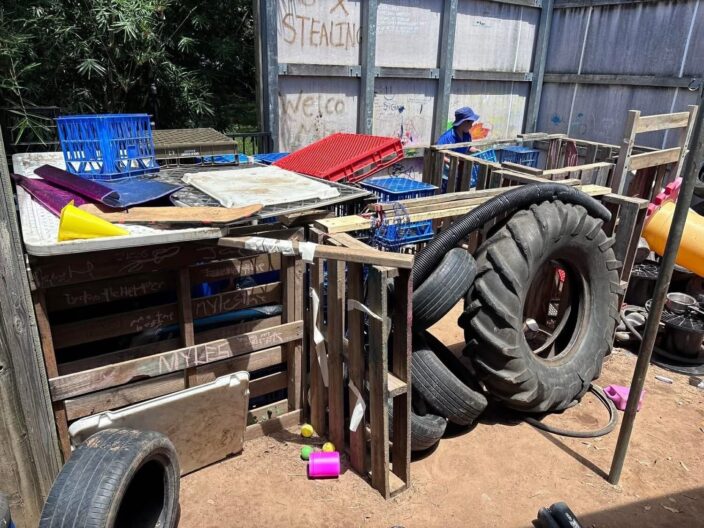
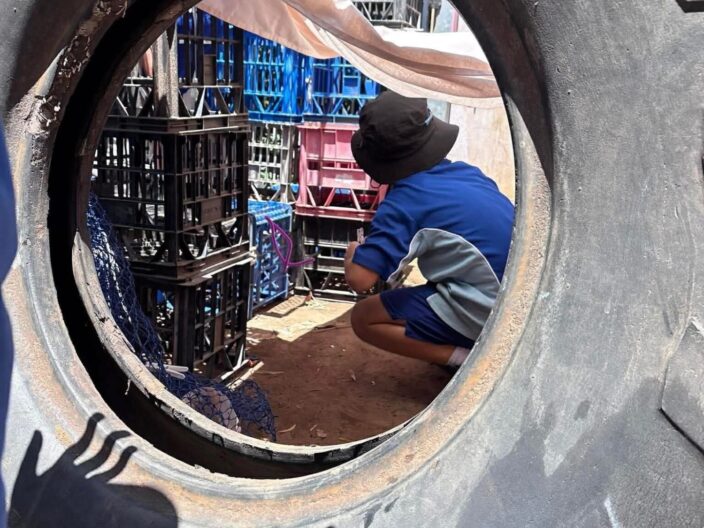
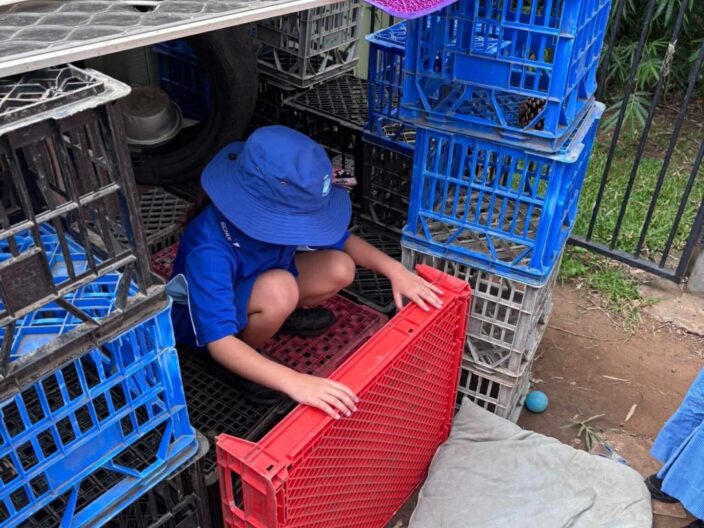
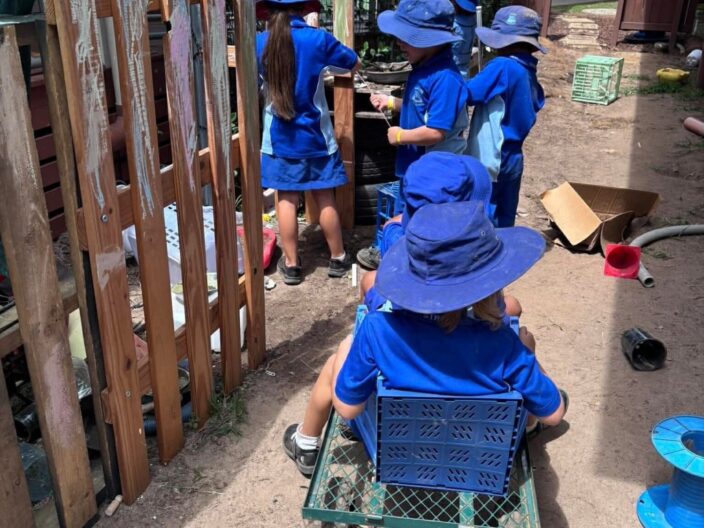
Playtopia is a grassroots loose-parts play space in Brisbane, Australia. Playtopia offers children a dynamic, self-directed environment shaped by curiosity, creativity and community. Grounded in playwork practice, Playtopia protects and promotes children’s Right to Play within the school day, recognising that school is where children spend much of their time and deserve access to joyful, meaningful play. The space evolves through children’s ideas, mark-making and constructions, creating a living landscape that reflects their cultures, identities and stories. Low-cost, sustainable and inclusive, Playtopia shows how child-led play can transform school environments and strengthen wellbeing, belonging and joyful learning.
Happy Welcome - Play and Humour in Refugee Reception Centres
Michael Dietrich
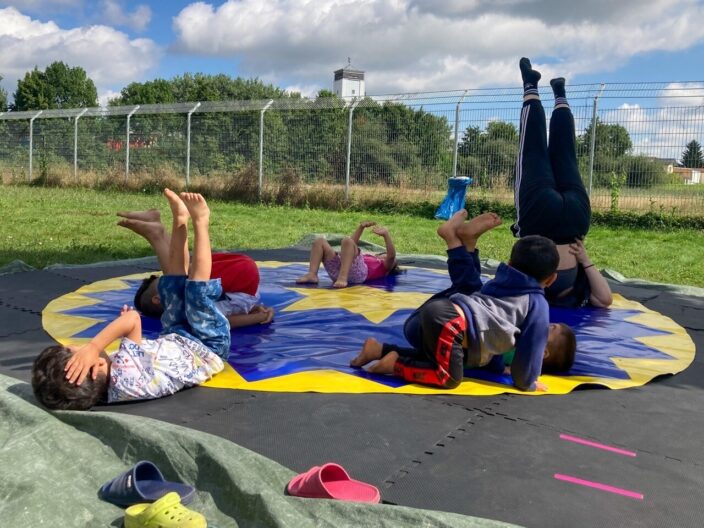
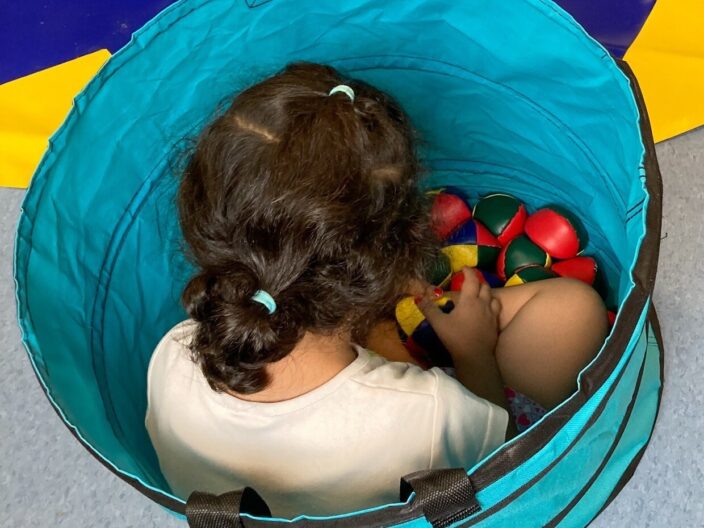
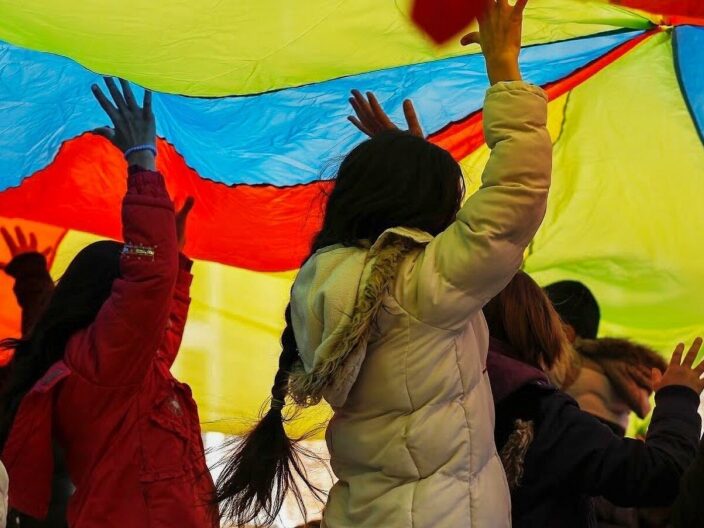
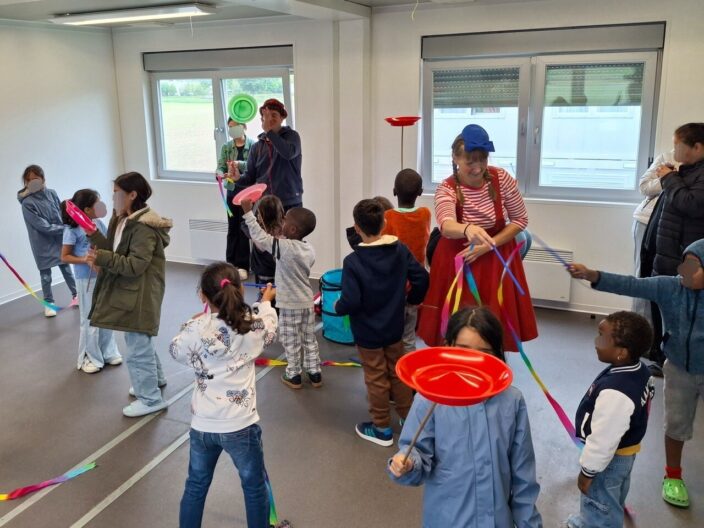
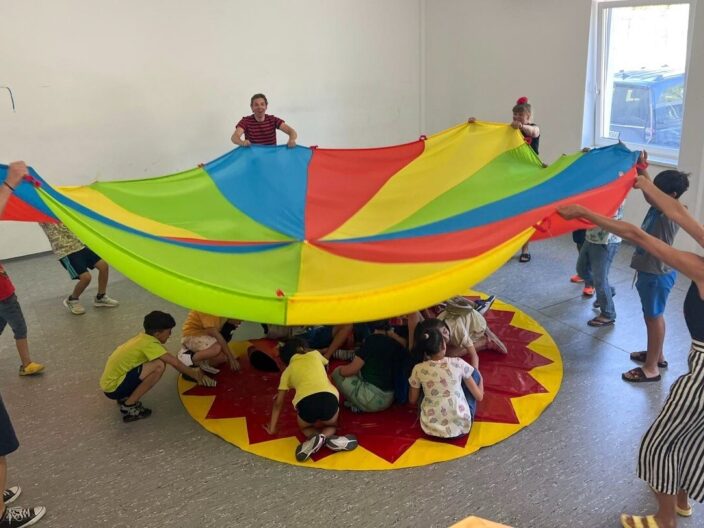
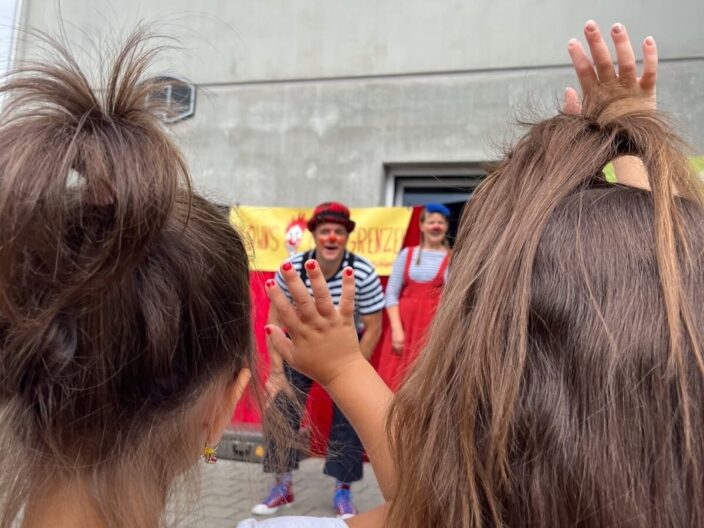
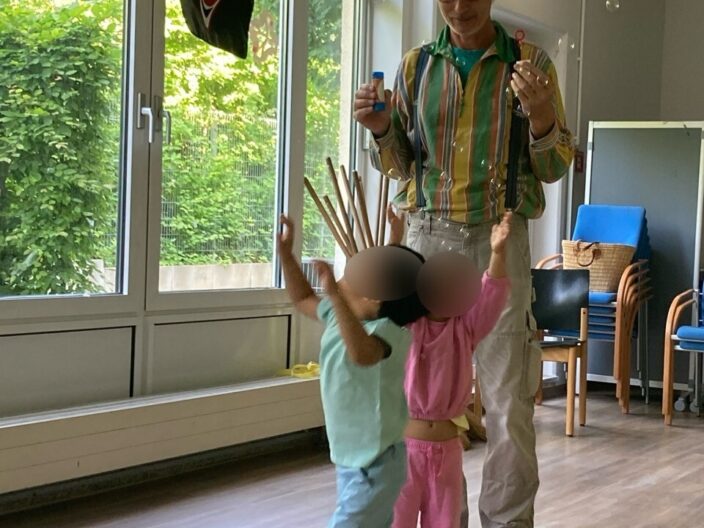
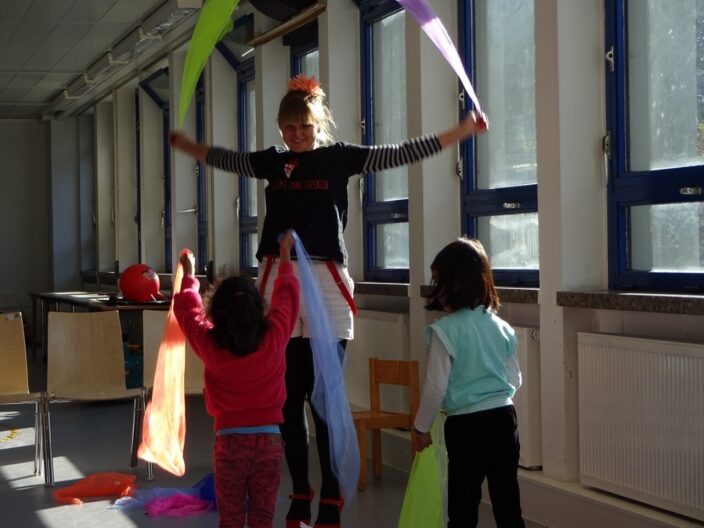
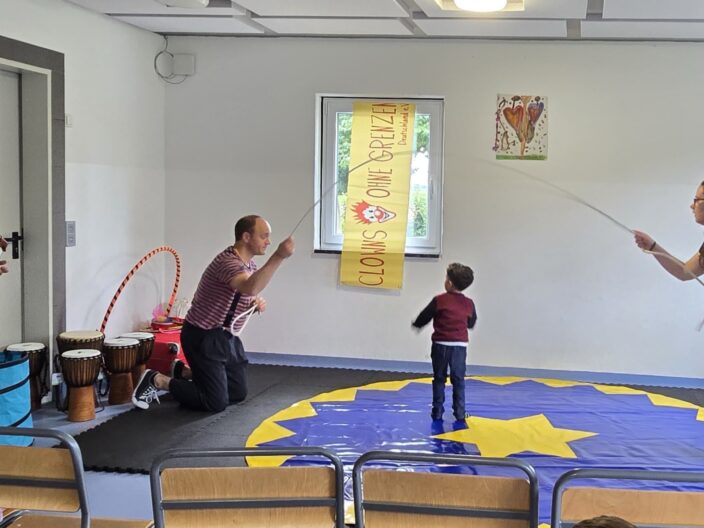
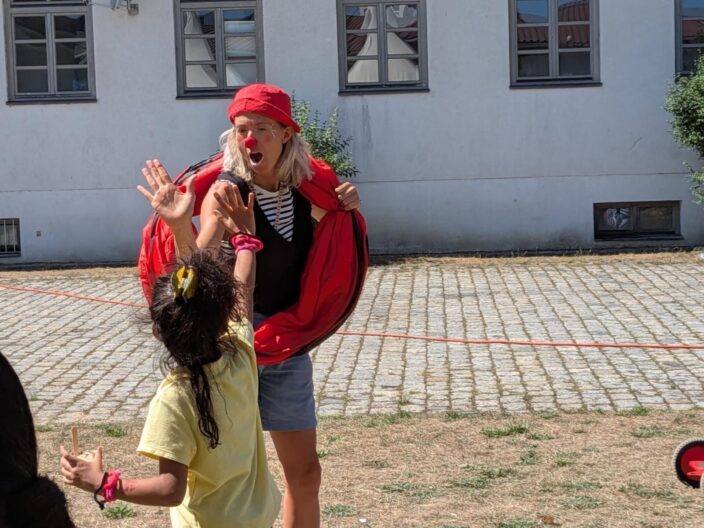
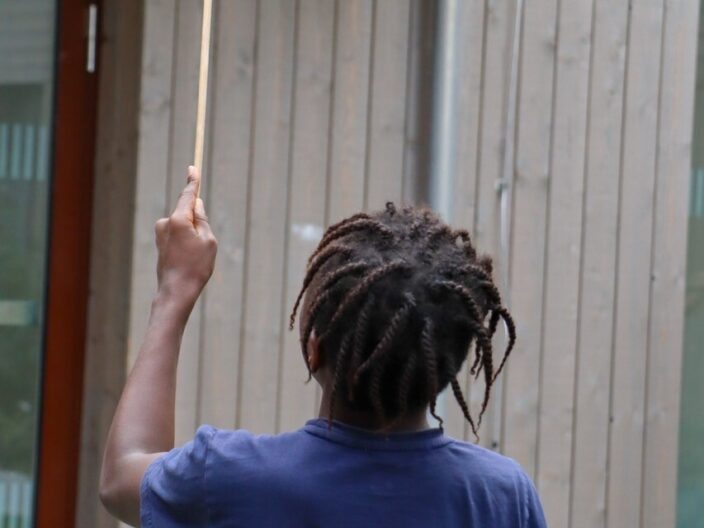
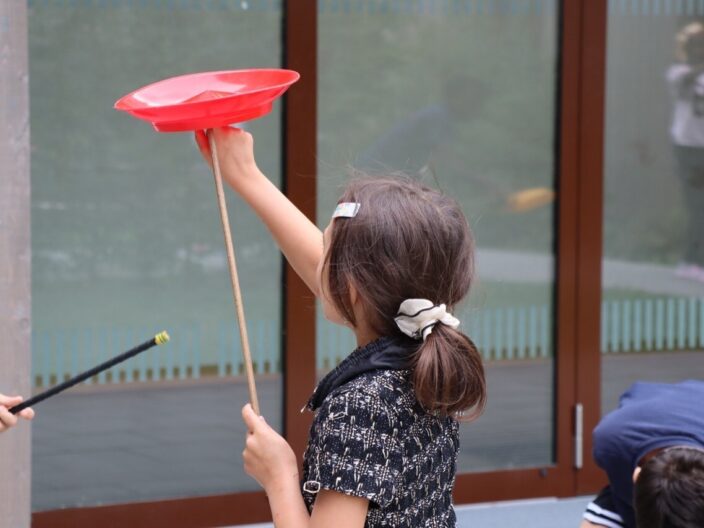
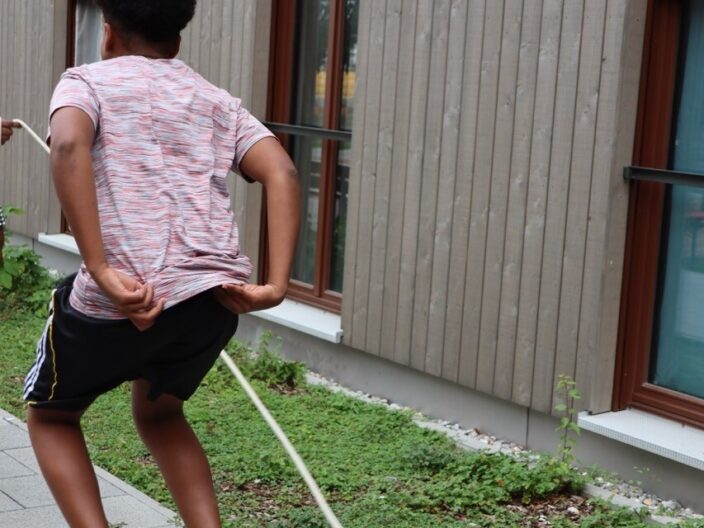
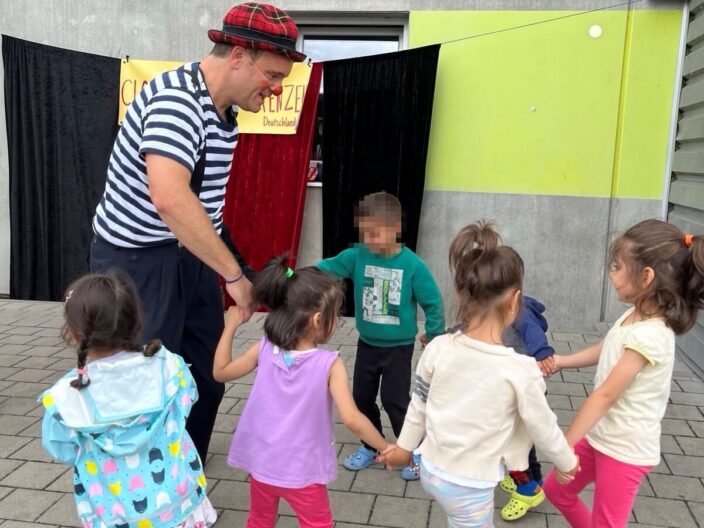
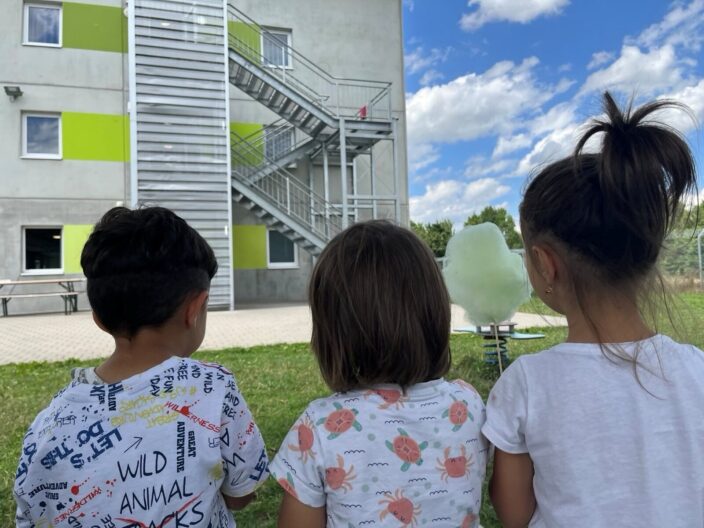
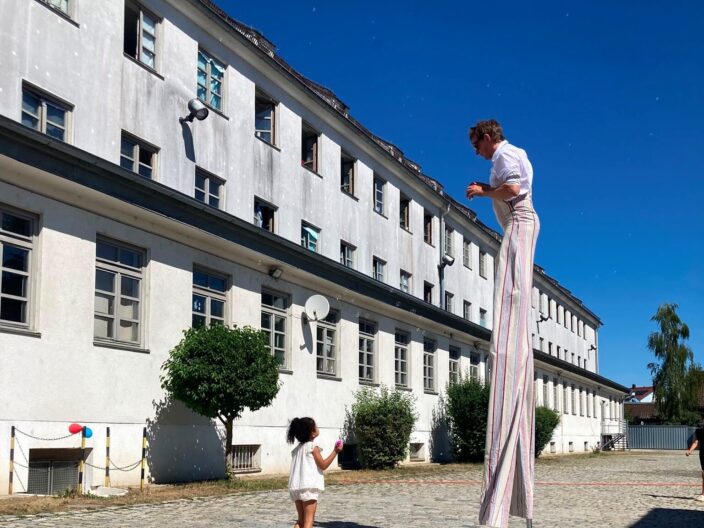
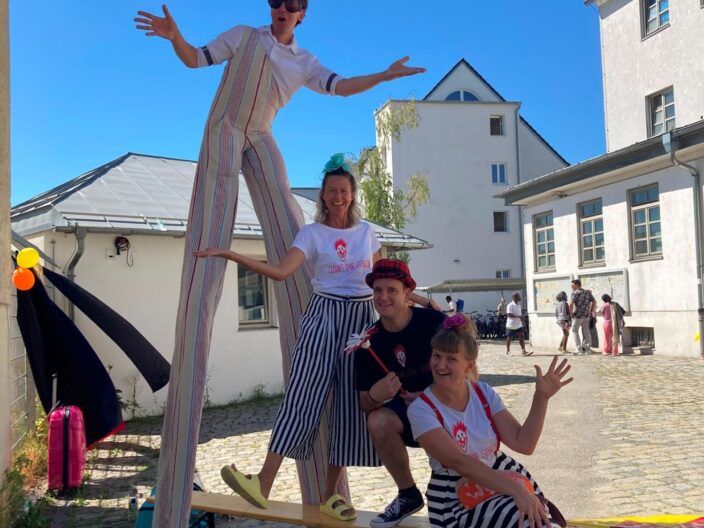
Happy Welcome is a clown and circus project for children of all ages living in refugee reception centres in Germany and worldwide. Because often there is no time, no space and no material to play. Delivered by Clowns Without Borders Germany in cooperation with federal and local governments, local intercultural associations and social workers at the centres it offers clowning, juggling, acrobatics and magic in an almost non-verbal, trauma-sensitive way. Children shape the workshops and bring their own cultures into the activities. The simple, low-cost format can easy be replicated in other communities and countries.
For more information see www.clownsohnegrenzen.org
"Play and Nature" project
Play and Nature (Brincar e Natureza)
Ivone Ferreira and Andreia Coelho
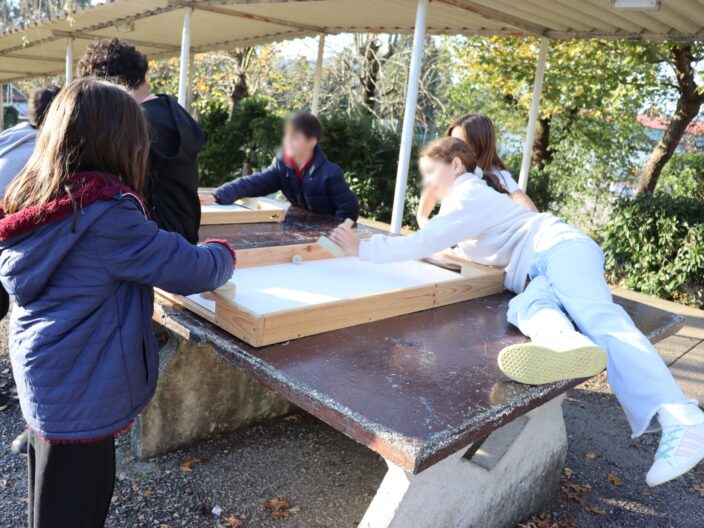
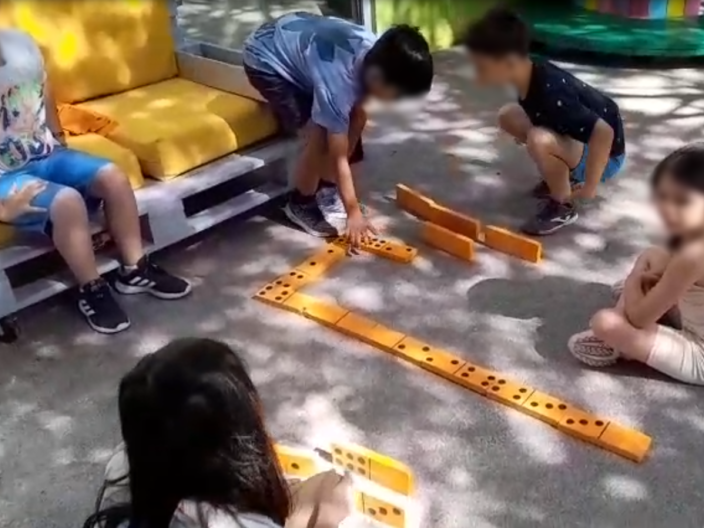
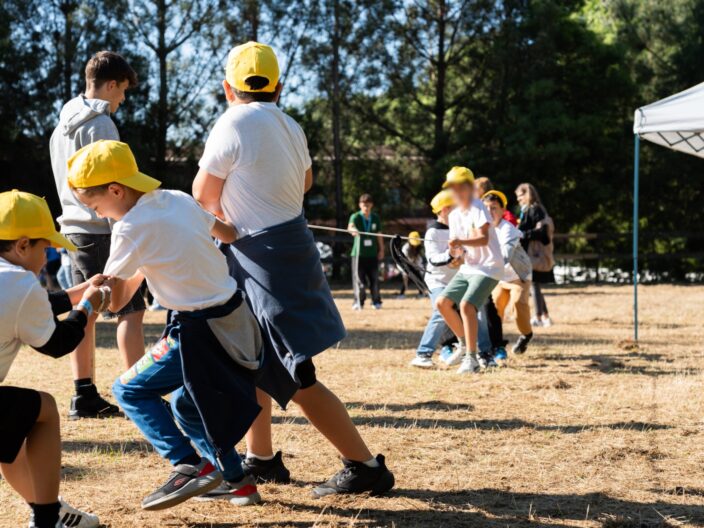
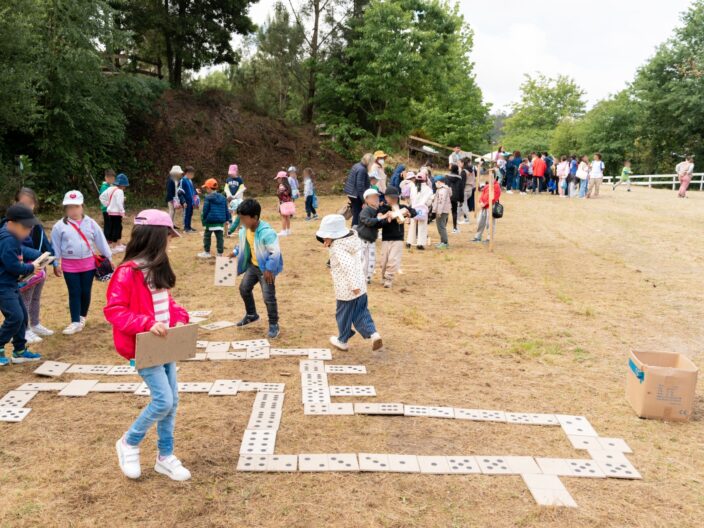
Within the “Play and Nature” intervention area, the Education Division of the Municipality of Barcelos, Portugal, develops an integrated strategy to promote Children’s Right to Play, bringing together complementary initiatives such as “Recreia-Te”, the “Learning to Play, Playing to Learn” workshop and Traditional Games Box, the “Timeless Play” event, the “Playground is Nature” pilot project and the “School-Nature Network”. This approach promotes free, unstructured, active and creative play, combining traditional games, contact with nature and the transformation of school outdoor spaces through the integration of natural elements and Nature-based Solutions. By recovering and valuing traditional games and creating more diverse and stimulating environments, the strategy encourages exploration, imagination, physical activity, autonomy and social interaction, while strengthening children’s connection with their cultural and ecological heritage. Children are actively involved in transforming the spaces they use, being encouraged to express their ideas, participate in decision-making and contribute to the implementation of solutions that respond to their needs and aspirations. In this way, the Municipality of Barcelos adopts a holistic approach that goes beyond promoting the Right to Play, also fostering children’s rights to participation and education, enhancing their well-being and strengthening relationships between schools, families and communities. Ultimately, the strategy seeks to embed play into everyday life, transforming spaces, practices and relationships while promoting more inclusive, participatory and nature-connected educational environments.
Reclaiming 60 minutes of Daily Play: Ending Outdoor Play Poverty in Taiwan
Play Taiwan
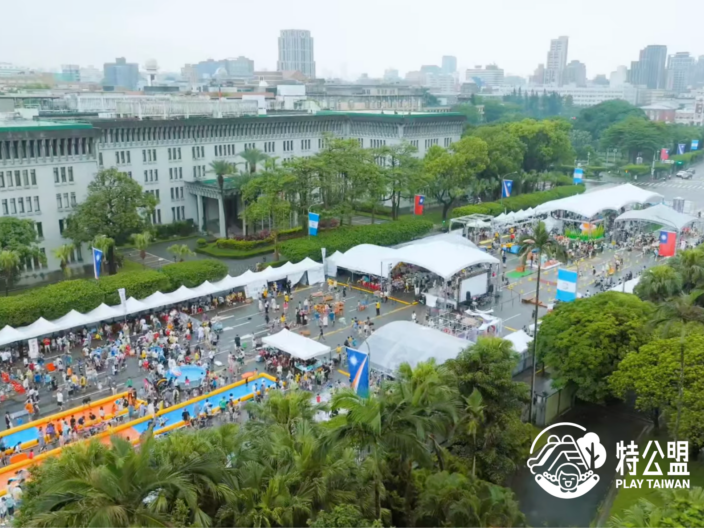
Taiwan Let's Play Day 2025: Ketagalan Boulevard, in front of the Presidential Office, becomes a playground for the UN International Day of Play.
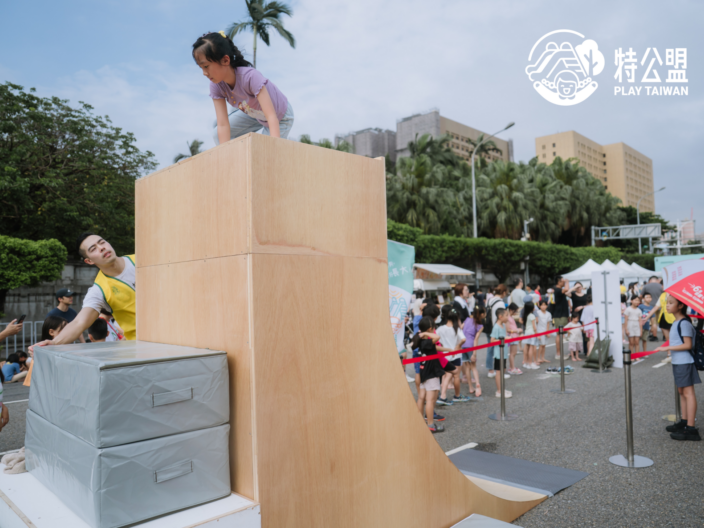
Taiwan Let's Play Day 2026: a girl takes on the 2-metre Brave Tower. This year's theme was Building Resilience Through Play.
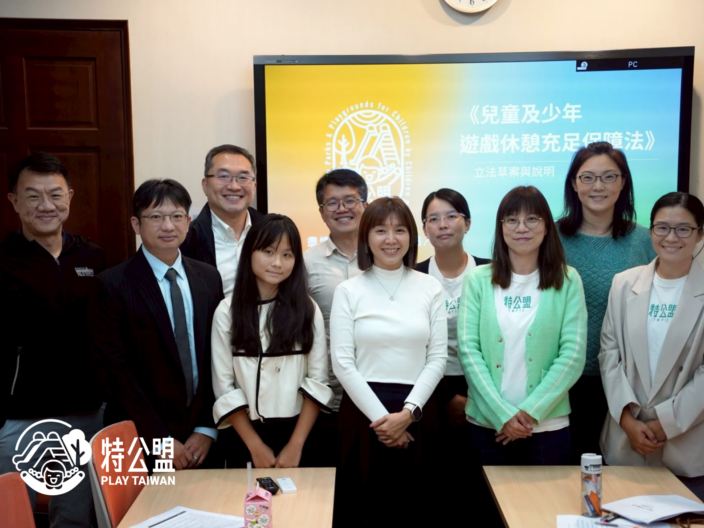
Play Taiwan meets legislators and experts to discuss the draft Act, which would guarantee every child 60 minutes of free play every day.
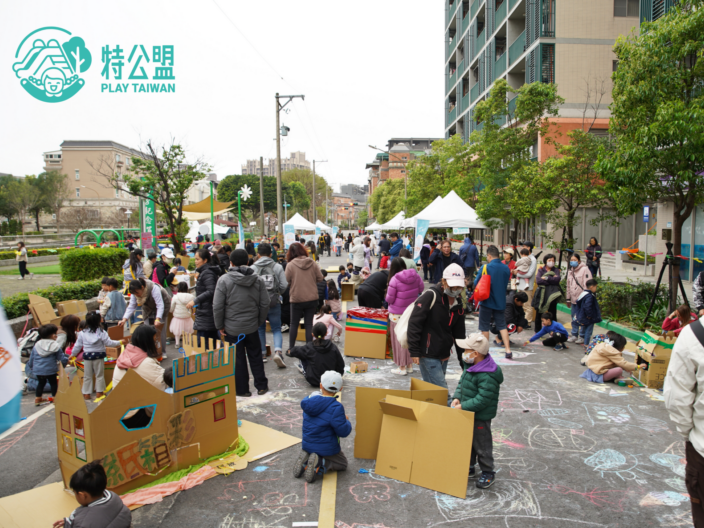
Street play: a neighbourhood lane closes to traffic, and children play, build and draw right outside their homes.
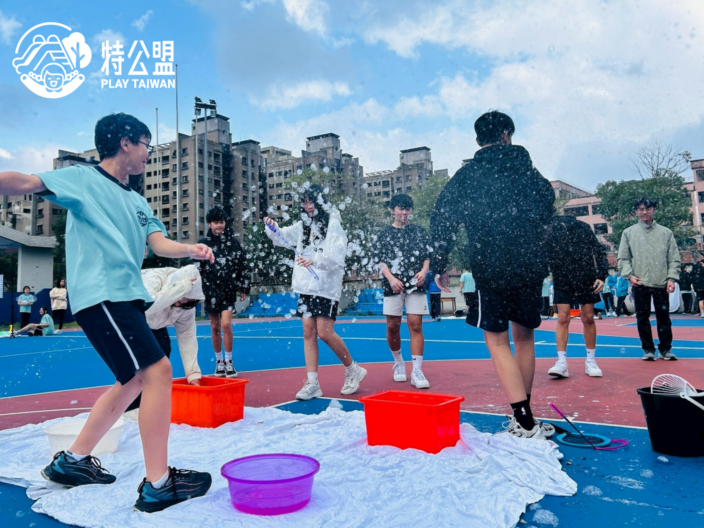
Campus Play Day: students designed the play activities themselves. Here, they play with bubbles on their school court.
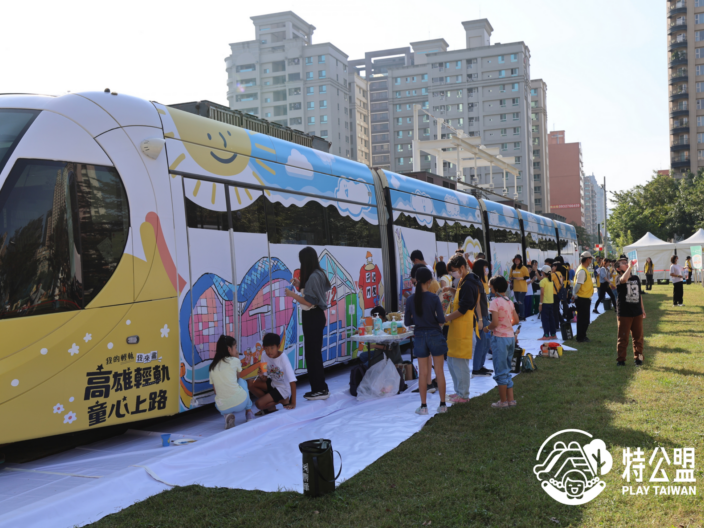
Children's Drawing Line: children paint a Kaohsiung Light Rail train with their view of the city. 108 children and teens took part, and the train ran for 70 days.
Video:
Taiwan Let's Play Day video:
https://youtu.be/i4q_4q-3W_M
Palestine Play Projects
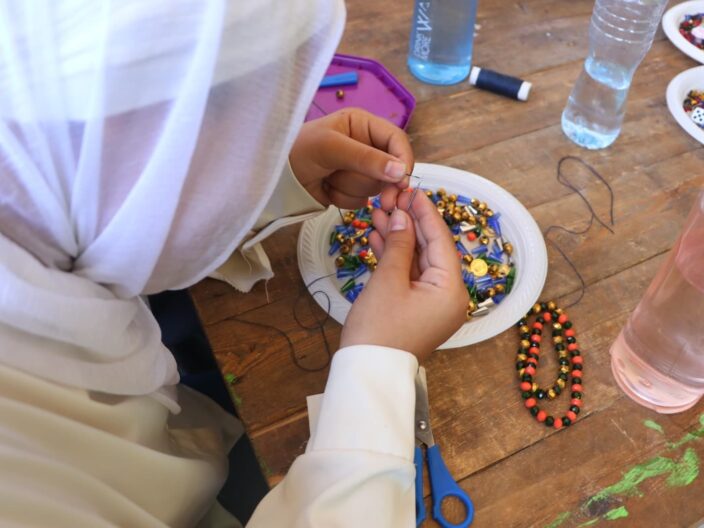
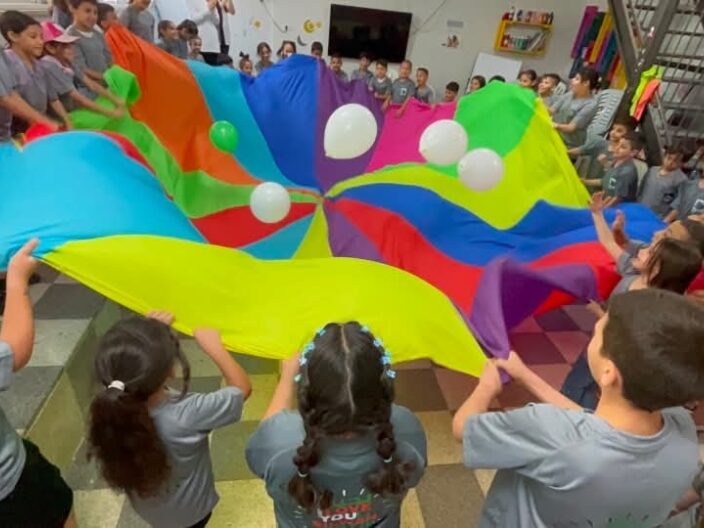
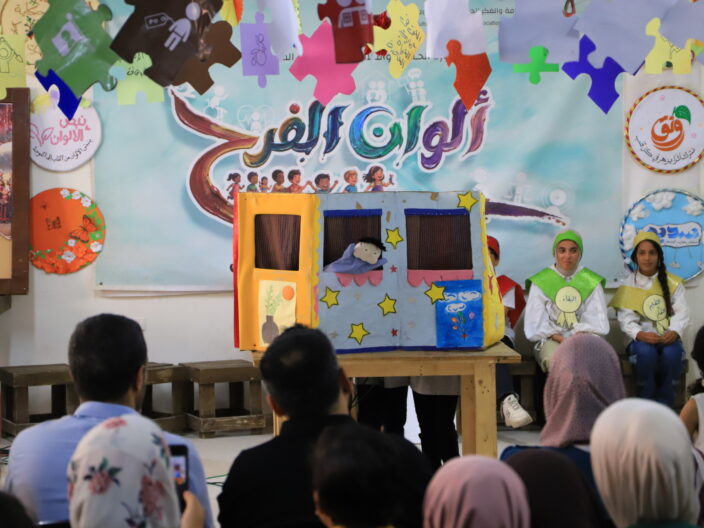
Palestine Play Projects (PPP) exists to help make play and creativity part of the lives of Palestinian children. We previously built playgrounds in schools and community settings across Palestine, but that is no longer possible. With unrelenting trauma, loss, and need, we focus our efforts on supporting play opportunities, rather than building physical structures. We do this by working together with local Palestinian partners to deliver staffed play and creative programmes.
“Every activity supported through Palestine Play Projects creates moments that help children rebuild confidence, reconnect with others, and recover pieces of the childhood that conflict continues to take away.” (PPP partner in Gaza)
Serpentina
Serpentina is a civic movement for urban transformation that sees play not only as a children’s right, but also
as a key to reimagining the city as a space for encounter, freedom and imagination. At the heart of the project is the transformation of a public playground in the city centre Porto, Portugal, into an intergenerational green park, co-created with the local community, using participatory methodologies. The project is part of a broader vision of a Playable City, advocating a paradigm shift in how children’s presence in public space is understood. Serpentina gained nationwide attention with a communication campaign designed for social awareness and political impact, challenging preconceived ideas on play and empowering people to imagine and transform their cities into more playful, accessible and inclusive places.
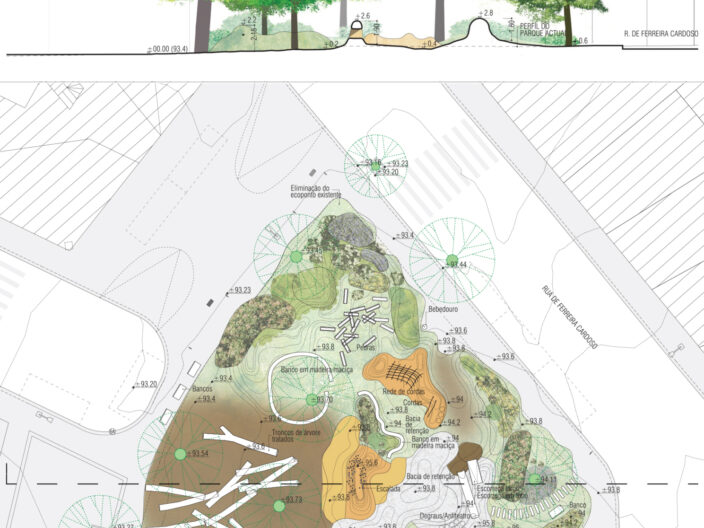
Rethinking the playground as a landscape: The organic design proposal blurs the boundaries between paved paths, leisure spaces and play areas. Reshaped topography creates small hills that invite play.
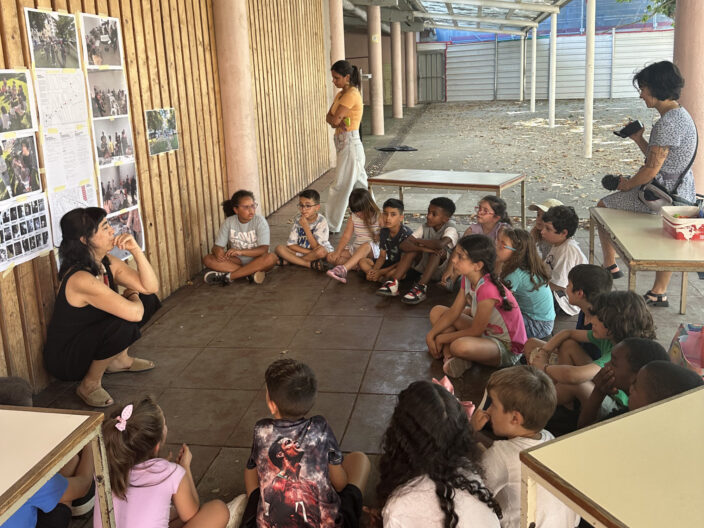
The design process adopted a participatory approach that engaged the local community, starting with children.
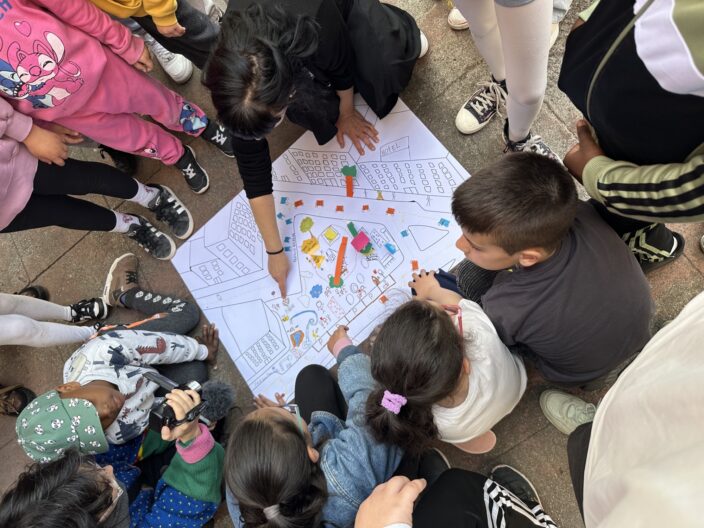
Collaborative mapping was one of the tactics explored to engage children in reimagining the playground and its surroundings.
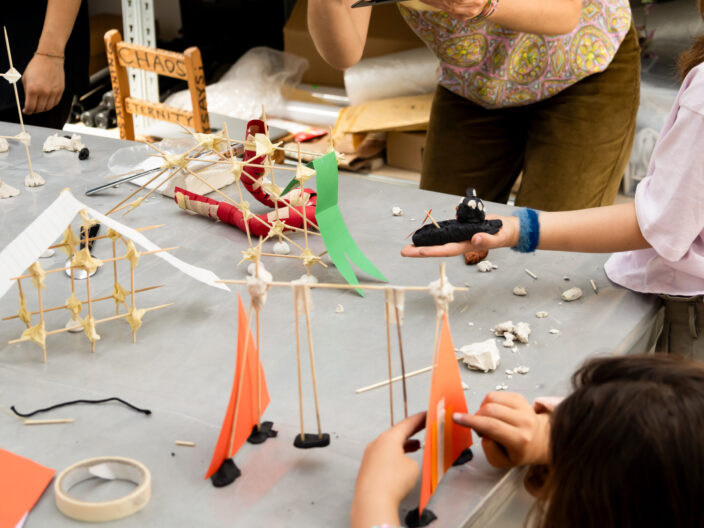
In codesign workshops, children were invited to experiment structures for play.
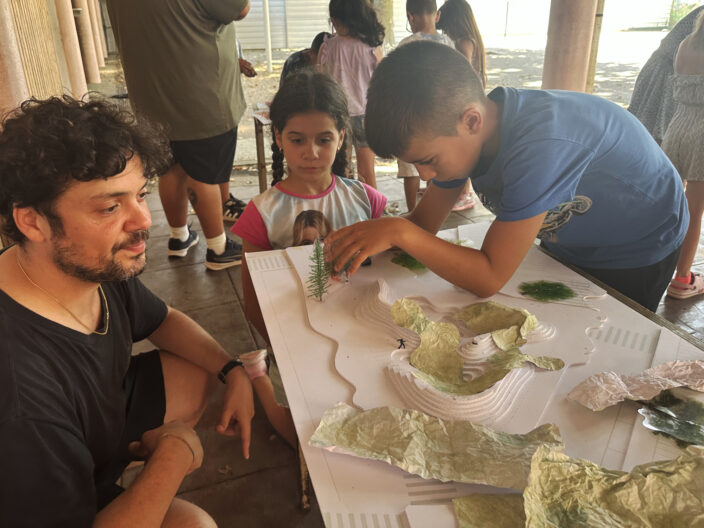
Adults let go of preconceived ideas and off-the-shelf solutions as children are treated as the specialists in play.
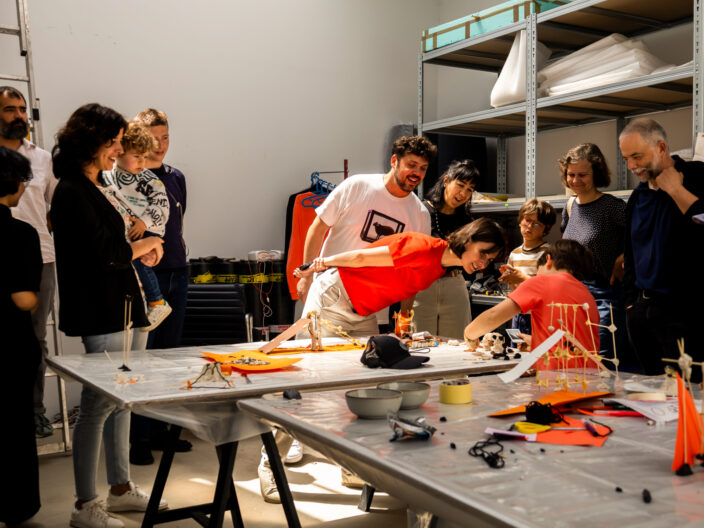
More than 50 children participated in the process during several months.
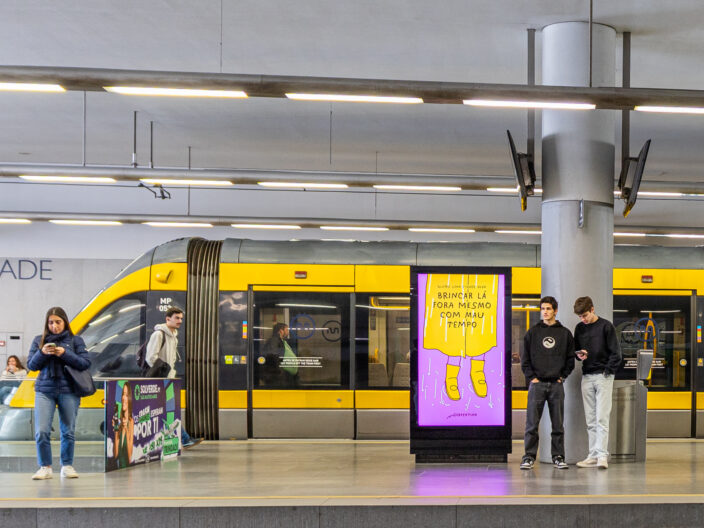
Built around an expressive, accessible and easily recognisable visual identity, Serpentina’s campaign sparked nationwide attention on the quality of public space and mobility and helped ensure that children’s interests were heard by policymakers ahead of municipal elections.
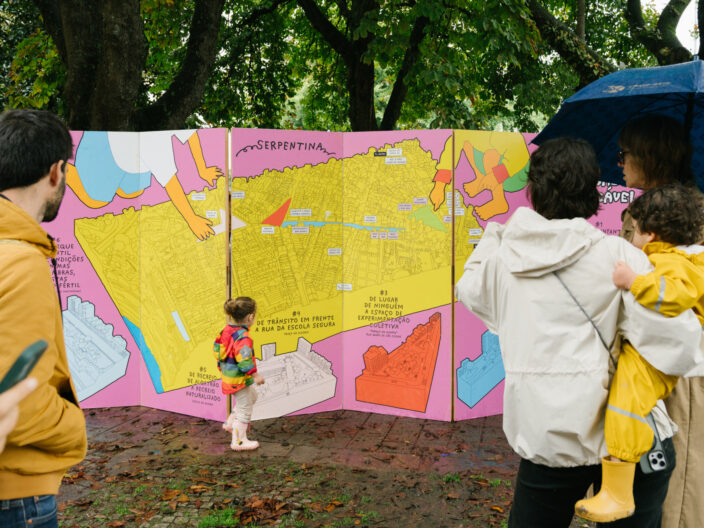
Through public-space installations, animated posters and creative interventions, the message challenges preconceived ideas and empowers people to imagine and transform their cities into more playful, accessible and inclusive places.
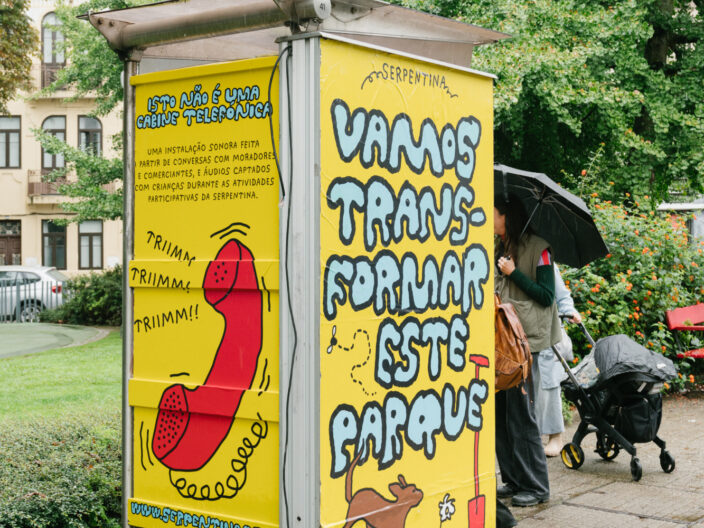
A sound installation with children’s voices in an old phone booth next to the playground. Carolina says, pointing at a swing: “I don’t like simple stuff!”
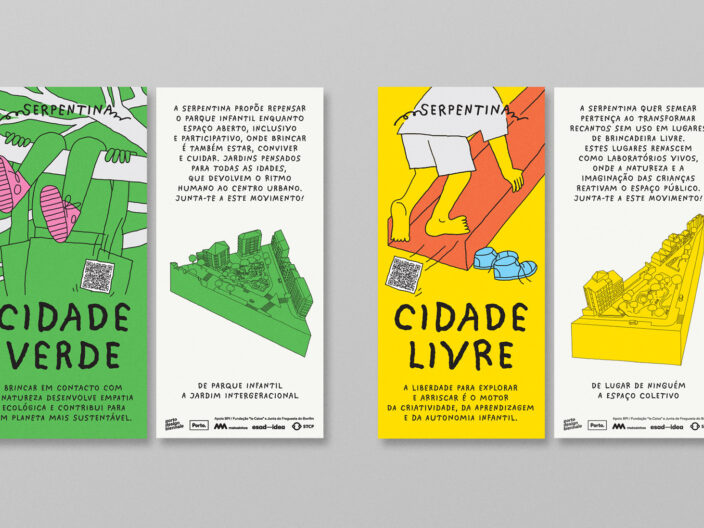
The campaign “What do you want from your city”, talks about a city that is green and free.
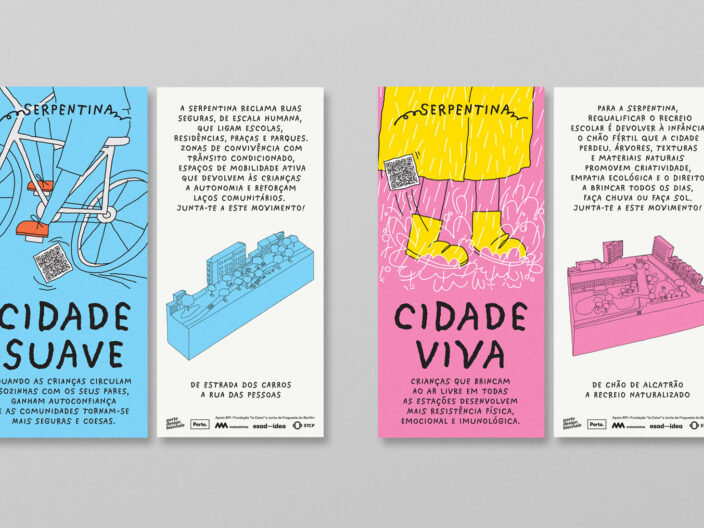
A city that is soft and alive.
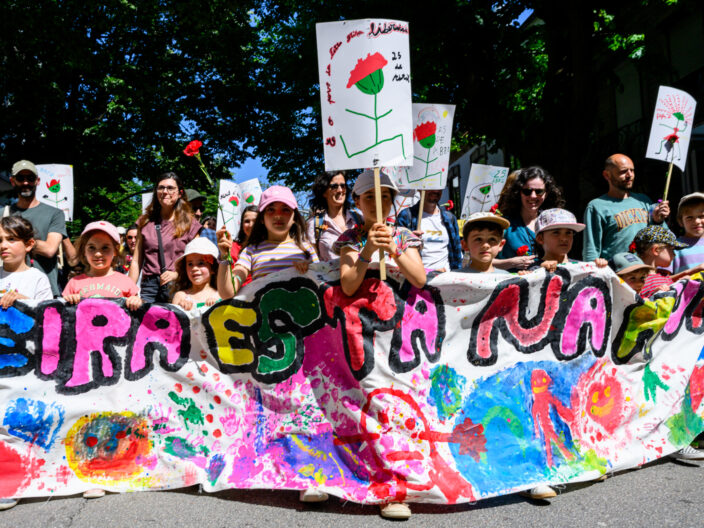
Demonstrating Children’s Right to the City, Serpentina made history by participating in the march on the 25th of April, Portugal’s Revolution Anniversary.
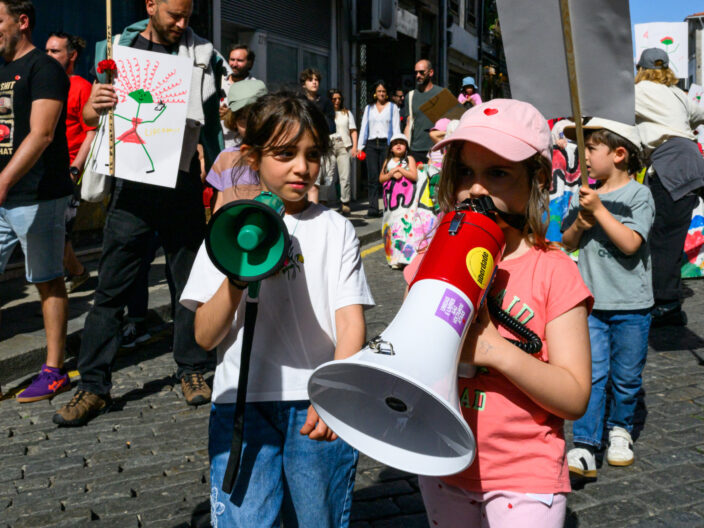
Children made their voices heard through megaphones, carrying the banner “Play is Out on the Streets!” and proudly raising their personalised posters.
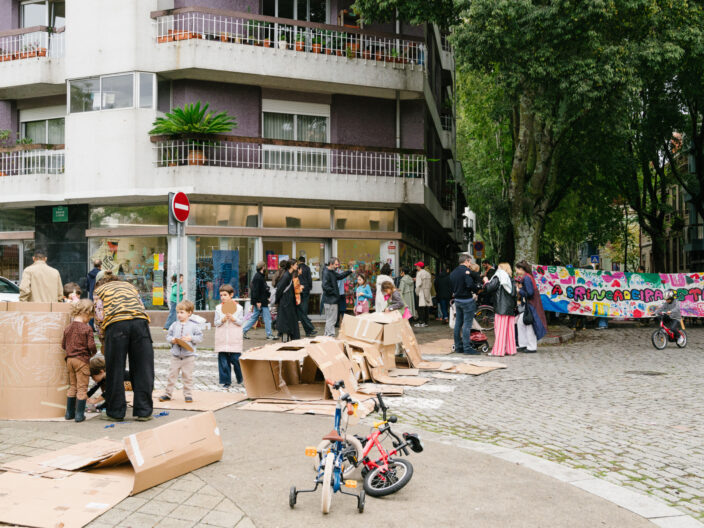
Serpentina’s street pop-up actions turn public spaces into living laboratories of play, revealing how children explore, experiment and shape their own ways of playing. These temporary interventions reclaim public space and reveal its potential for children’s autonomy, creativity and collective life.
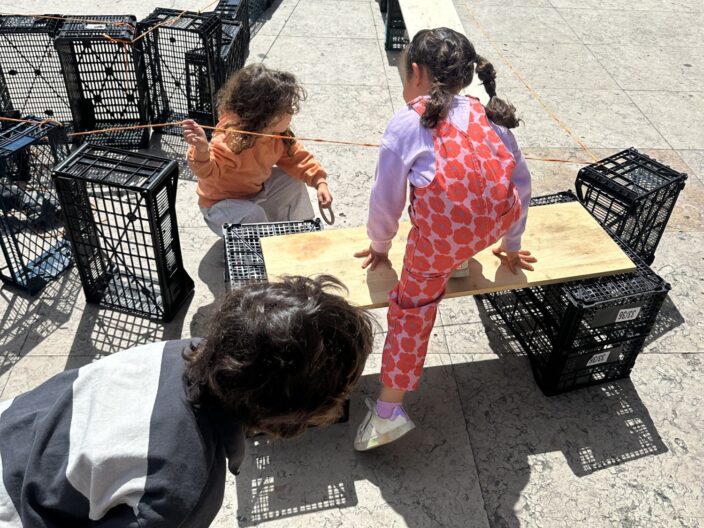
Everyday objects such as wooden boards, crates, blankets and string became tools for exploring the city at different scales, from the child’s own body to the urban environment.
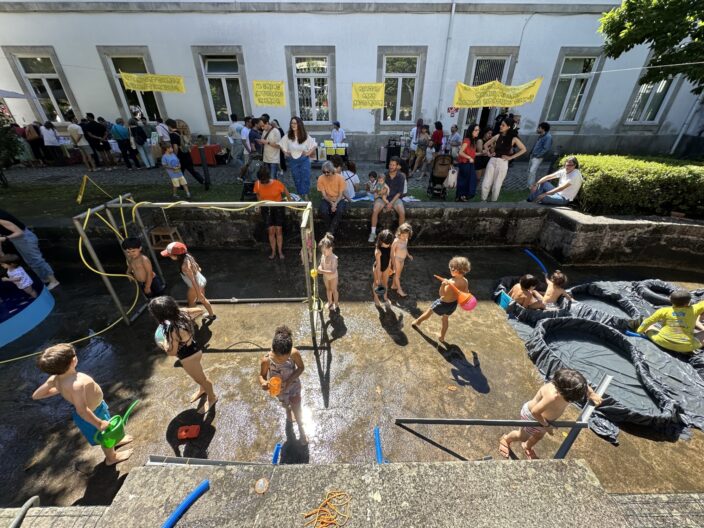
Aqua Park: Play with water today, to imagine liveable cities tomorrow.
Video
Youtube link: https://www.youtube.com/watch?v=-P3jYTD_yrQ
